
informational 6 min read
Mona Lisa Stolen: Vincenzo Peruggia and the 1911 Theft
Updated October 28, 2026
The Mona Lisa was stolen from the Louvre Museum on August 21, 1911, by Vincenzo Peruggia, an Italian who had worked at the museum. He walked in at 7 a.m. wearing one of the white smocks the staff wore, took the painting off the wall and left with it hidden under his clothes. The painting was missing for more than two years and was recovered in Florence, when Peruggia tried to sell it to the director of the Uffizi Gallery. The details of the theft come from Spanish Wikipedia.
When was the Mona Lisa stolen?
On August 21, 1911. It is the first documented theft at the Louvre, according to the Spanish Wikipedia article on the museum’s thefts. Nobody noticed it was gone until the painter Louis Béroud came into the room to see the painting, could not find it and alerted the police. The museum closed for a week for the investigation.
How was the Mona Lisa stolen?
It was simple, and that is why it worked. This is how Spanish Wikipedia reconstructs it:
- Peruggia arrived at the Louvre at 7 a.m. in a white work smock, like those of the maintenance staff.
- He took the Mona Lisa down from the wall.
- On the Visconti staircase he removed the panel from its frame and left the frame there.
- He walked out of the museum with the panel hidden under his clothes and later kept it in a suitcase.
It helped that he knew the building. Also, according to the same source, security at the Louvre was thin and admission was free.
Who was Vincenzo Peruggia?
Pietro Vincenzo Antonio Peruggia was born on October 8, 1881, in Dumenza, a village in the Italian Alps near the Swiss border. He moved to Paris in 1908 and for a time worked at the Louvre cleaning and reframing paintings. His job included fitting glass cases for some works, including the Mona Lisa’s, and he probably knew how to open it in minutes, according to Spanish Wikipedia.
After the theft, a curator drew up a list of everyone connected with that work, and Peruggia’s name was on it. Even so, the painting did not turn up until he himself tried to sell it.
Who were the suspects in the theft?
The first suspects were two famous names: the poet Guillaume Apollinaire and the painter Pablo Picasso. The police linked them to the earlier disappearance of some sculptures from the museum and to statements by Apollinaire backing the Futurist Marinetti’s idea of burning down museums. Both were later shown to be innocent.
At the same time the Belgian adventurer Honoré-Joseph Géry Pieret was arrested; he confessed to another theft, from 1906, but not to the Mona Lisa.
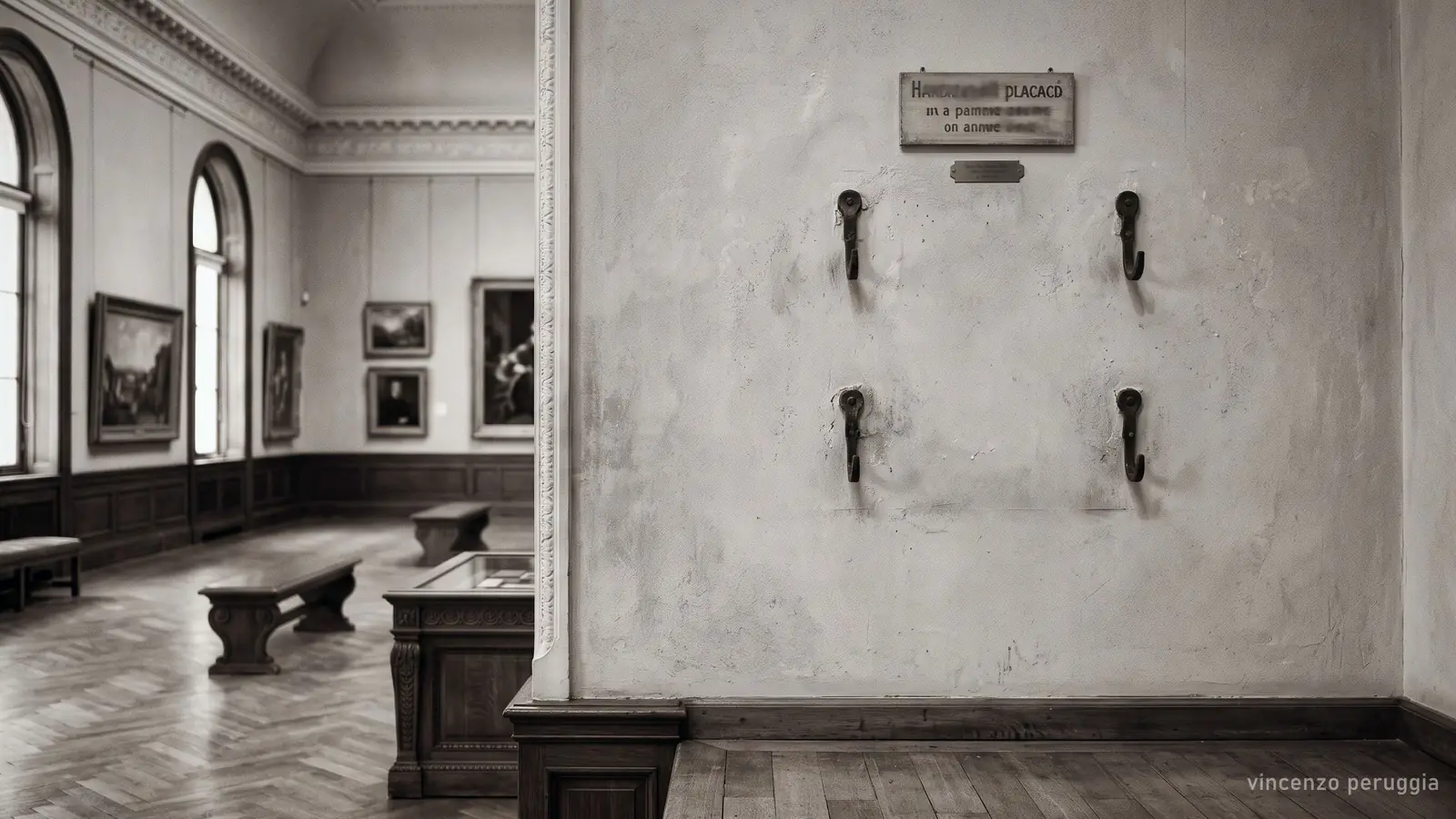
Meanwhile something curious happened: the Louvre broke its visitor record. People came to see the empty space on the wall where the painting had hung.
How was the Mona Lisa recovered?
Peruggia kept it hidden for more than two years. In the end he tried to sell it to Alfredo Geri, director of the Uffizi Gallery in Florence, who came to the meeting with the police. Peruggia was arrested and the painting recovered at the end of 1913, two years and 111 days after the theft according to Spanish Wikipedia.
Before returning to Paris, the Mona Lisa was shown in Florence, Rome and Milan.
The court accepted that he had acted for patriotic reasons. He was sentenced to one year and fifteen days in prison, a sentence later reduced to seven months and nine days.
Why did he steal it?
No motive has been proven. Spanish Wikipedia records two theories:
- The patriotic motive. Peruggia said he wanted to return the painting to Italy, its “true homeland”, convinced that Napoleon had stolen it. That was not the case: Leonardo took it to France when he was working for King Francis I. We explain this in Leonardo’s Mona Lisa.
- The copies scam. In 1932 the journalist Karl Decker wrote that the mastermind of the theft was a con man called Eduardo Valfierno, who supposedly wanted to sell six copies as the original. That version has never been proven.
How did Vincenzo Peruggia die?
He died in Saint-Maur-des-Fossés (France) on October 8, 1925, his 44th birthday. The press barely reported it. His obituaries appeared by mistake in 1947, when another man with the same name died in Haute-Savoie.
The 1911 theft and the Louvre today
The theft is one of the reasons the Mona Lisa is the most famous painting in the world, according to Spanish Wikipedia. Today it hangs in room 711 of the Denon wing, behind bulletproof glass. We explain how to reach it in where is the Mona Lisa.
The Louvre has suffered other thefts since; the most recent, the jewel theft from the Apollo Gallery, is covered in the 2025 Louvre heist.
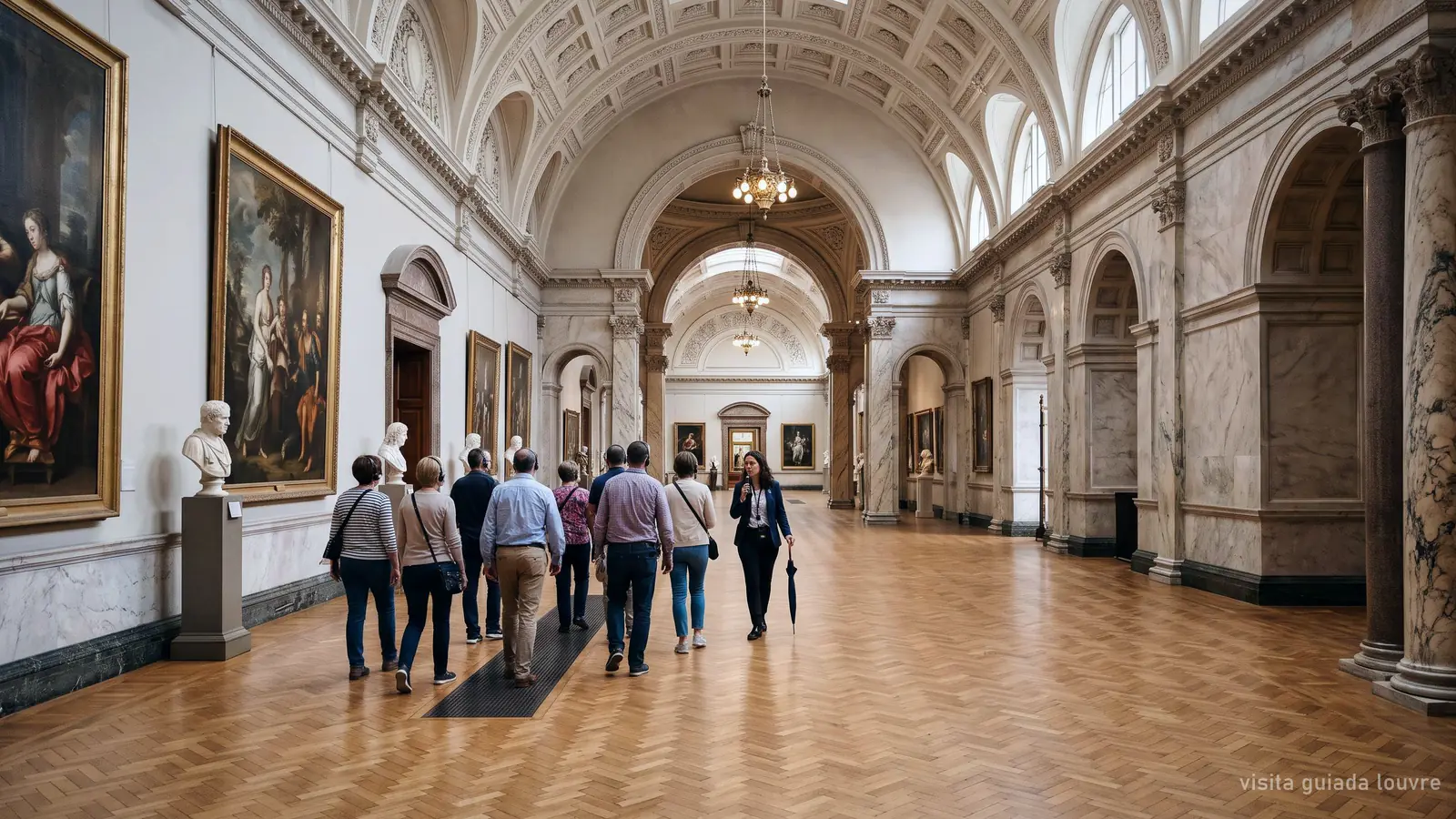
If you want to hear this story in front of the painting, a Louvre guided tour includes museum admission and covers the Mona Lisa and the other masterpieces of the Denon wing.
Check prices & dates
Book your tickets in advance: popular time slots sell out.
Book tickets
From$66per person
Check availability- Free cancellation up to 24 h before on 9 of 10 options
- Louvre entry included in all of them
- Prices in US dollars
Price checked Oct 27, 2026
Sources